Hydrating the Mothering Body
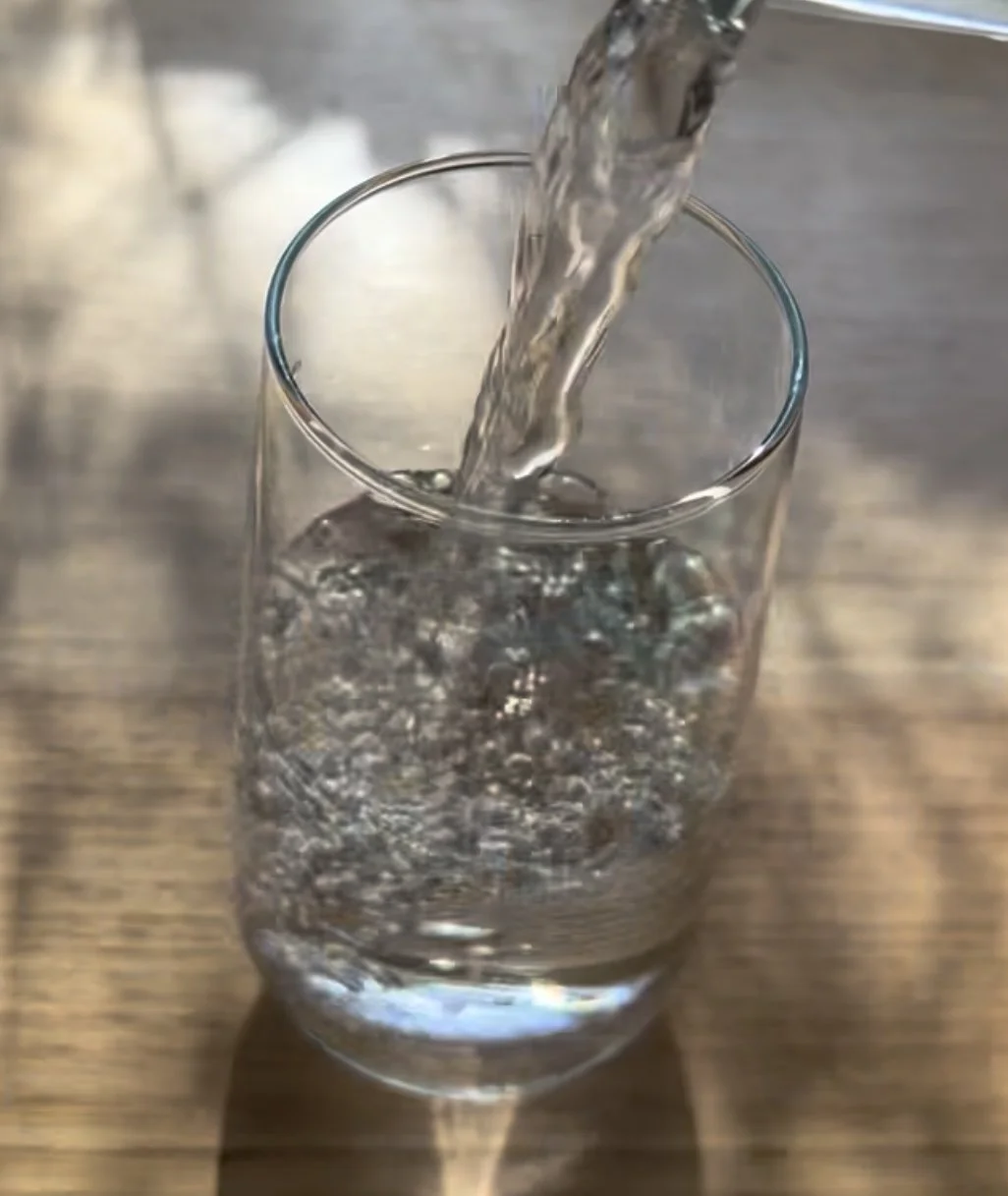
Caring for a small baby asks a lot of the body: broken sleep, constant touch, emotional intensity, and for many, the additional work of producing milk. Hydration can quietly become the foundation that holds all of this, yet it is often an afterthought between feeds, nappies and “What’s for dinner?” conversations. Instead of treating hydration as another task to perfect, this blog invites you to see it as an act of deep care for your nervous system, tissues and mothering heart.
Beyond ‘Drink More Water’.
Most mothers already know they “should” drink more water. The trouble is not information; it is capacity. You are moving through your day with a baby (and possibly older children), tending to everyone else’s needs first. Adding another rigid rule rarely helps.
Hydration in mothering is less about hitting a magic number and more about building small, compassionate touch points into your existing rhythms. That might mean a large bottle you refill twice a day, a jug of water on the bench where you always stand to rock the baby, or a cup by the chair where you usually feed. Tiny cues that meet you where you already are are far more sustainable than grand plans that require a whole new routine.
Hydration also supports your nervous system. When the body is under-supplied, everything feels a bit more brittle: headaches, irritability, brain fog, a sense of being “on edge”. Staying steadily hydrated will not remove the realities of sleep deprivation or overwhelm, but it can soften the edges and give your system a slightly more resilient base from which to respond.
Hydration as a Sensory Experience
It can help to think about hydrating in terms of pleasure, not punishment. Rather than forcing yourself through litres of plain water you resent, you might experiment with gentle flavour and temperature changes that feel kind to your digestion.
Room-temperature or slightly warm fluids are often easier on a postpartum digestive system than very cold drinks. You could try herbal infusions like chamomile, rooibos or gentle breastfeeding-supportive blends; slices of citrus or berries in water; or a splash of coconut water if that feels good in your body. If you are sweating a lot in the summer heat, a pinch of good-quality salt or a homemade electrolyte mix can help you hold onto the fluid you are taking in.
Notice the sensory details: the weight of the cup in your hand, the feeling of the fluid moving down your throat, the brief pause in your day as you sip. These micro-moments can act as tiny nervous-system resets. Hydration becomes not just a checkbox, but a way of coming home to your body, over and over, amidst the noise of family life.
Tying Hydration to Feeding and Daily Anchors
For many mothers, feeding is the most natural anchor for hydration. If you are breastfeeding or chestfeeding, you can experiment with a simple rule of thumb: “Every time I sit to feed, I sip.” This might be a full glass, or just a few mouthfuls, depending on your capacity and what feels realistic.
If your baby is bottle-fed, you can still use feeding as a cue: keep your drink where you keep their bottle or formula; take a sip while the kettle boils; finish a glass during one of the day’s feeds. If you are pumping, you might make it part of your set-up ritual: plug in pump, grab snacks, fill water, begin.
Outside of feeding, look for existing anchors:
• When you put the washing machine on, drink half a glass.
• After you brush your teeth, refill the bottle for your bedside table.
• When you heat your lunch, pour yourself something to drink as well.
Rather than striving for perfection, you are simply creating more opportunities for your body to receive what it needs.
Nourishment Through Food
Hydration is not only about what you drink. Water-rich foods and the way you structure meals can support your overall fluid balance. Soups, stews and broths can be surprisingly appealing even in warmer weather if they are lightly seasoned and not too heavy. Fresh fruits like melons, oranges and berries, and vegetables such as cucumber, tomato and leafy greens, all contribute to your hydration without feeling like another task.
You might keep a container of chopped fruit in the fridge that you can grab one-handed, or batch-cook a simple broth you can sip from a mug while holding your baby. Adding small amounts of healthy fats (like avocado, olive oil or tahini) and quality salts helps your body make better use of the fluid in your food and drinks.
Letting Others Support Your Hydration
Hydrating the mothering body does not have to be a solo project. You are allowed to invite others in. This might look like:
• Asking a partner or friend to bring you a full bottle or jug whenever you sit down to feed.
• Adding drop off soup or hydrating snacks to the list when people ask how they can help.
• Setting up a drink station on the kitchen bench that anyone in the house can refill for you when it runs low.
When you frame hydration as essential to your recovery and your ability to care for your baby, it becomes easier to ask for this kind of support without guilt.
Listening to Your Body’s Cues
Finally, hydration is an ongoing conversation with your body, not a strict set of rules. You might notice:
• How often you are urinating and the colour of your urine (aiming for pale straw rather than dark yellow).
• Whether headaches ease a little when you have steadily sipped through the morning.
• How your mood or sense of overwhelm shifts on days when you are more consistently hydrated.
Your needs will change with the weather, your activity levels, and your stage of postpartum. What felt right at six weeks might be different at six months. You are allowed to keep adjusting.
Questions for contemplation
1. What is one simple change that could make it easier for you to drink regularly - without relying on willpower alone?
2. How might you invite a sense of pleasure and care into the way you hydrate, rather than treating it as another obligation?
3. Who in your life could help you protect this need, and what would it feel like to ask for that support?