The quiet magic of play: Reclaiming joy in the everyday.
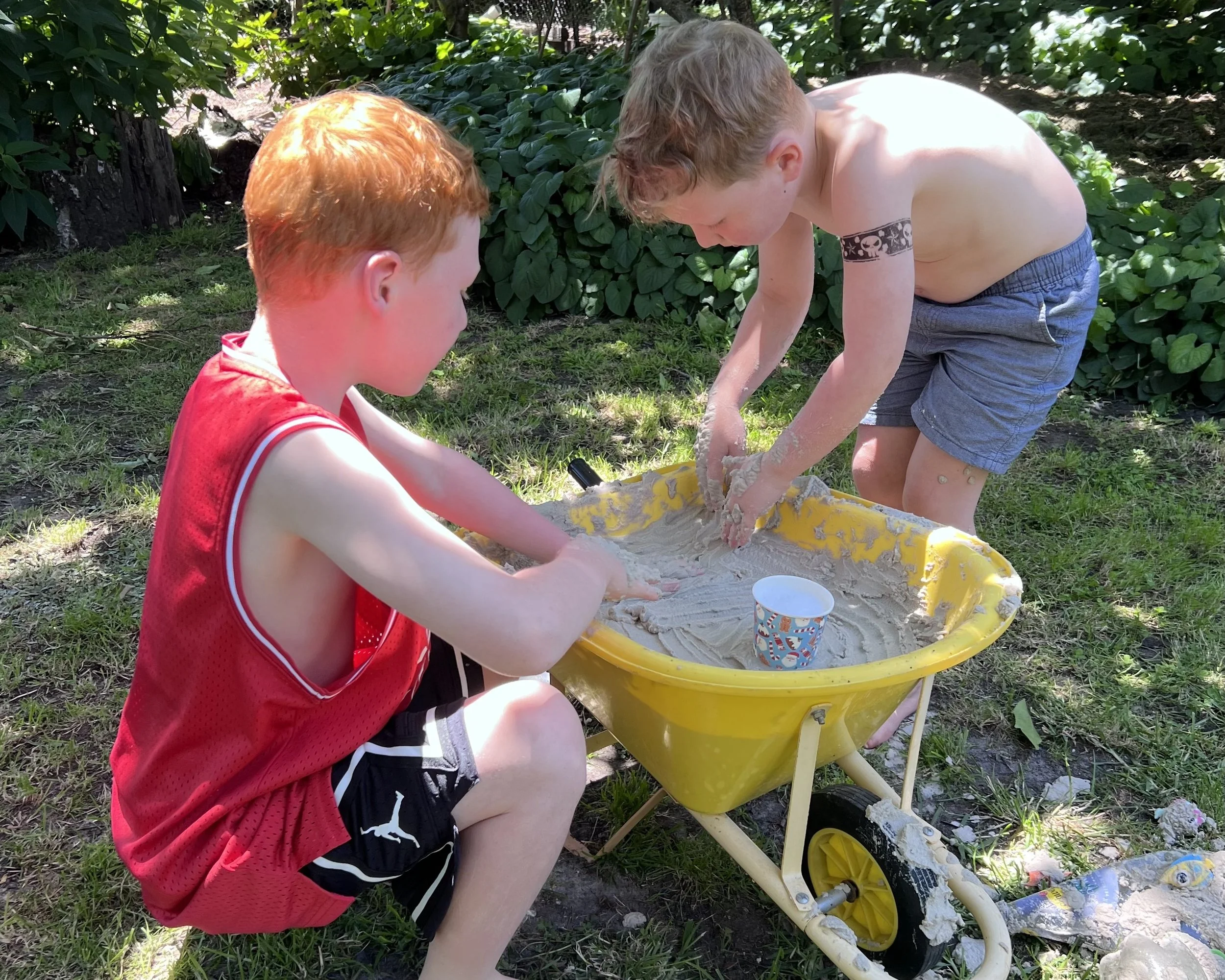
Somewhere between meal prep, laundry, and the mental gymnastics of remembering everyone’s appointments, play can drift quietly out of reach. It’s often the first thing to slip when we’re stretched thin - the laughter, the lightness, the tiny moments of delight that used to spill naturally from our days. And yet, play is not frivolous. It’s not something extra to sprinkle on top when everything else is done. It is essential nourishment - for your nervous system, your child’s, and the bond that carries you both.
When you think back to your own childhood, chances are you don’t remember the neatly folded washing or perfectly prepared meals. You remember the moments when time stood still: the silly dances in the kitchen, the spontaneous games, the sound of shared laughter echoing through the house. That’s the power of play. It reminds us that love lives in presence, not perfection. This blog includes: why play matters, redefining what play looks like, movement as medicine, when play feels hard, and returning to presence.
Why Play Matters
Play is your body’s natural way of unwinding, expressing, and connecting. It’s a bridge between you and your child - a language that doesn’t require words. When you enter into a playful moment, your nervous system shifts. Your breath softens, your shoulders drop, and your brain releases a little wave of oxytocin, the bonding hormone that makes you feel safer and more connected.
The same is true for your child. Through playful exchanges - eye contact, giggles, physical closeness - their body learns I am safe here. I am seen. In this simple exchange, attachment deepens, regulation blossoms, and trust grows.
Neuroscientists have found that play isn’t only beneficial for children’s development- it’s vital for adults too. It boosts creativity, reduces stress, and helps process emotions stored in the body. In a world that values productivity above presence, play becomes an act of quiet rebellion. It says: “I am more than my tasks. My joy matters.”
Redefining What Play Looks Like
Somewhere along the way, play started to sound like something elaborate - craft boxes, fancy setups, structured games. But the most nourishing play is spontaneous, imperfect, and low-effort. It lives in the in-between moments of ordinary days:
• Splashing together at the sink while you wash dishes.
• Pulling funny faces while changing a nappy.
• Turning the hallway into a slow-motion parade.
• Making up the same ridiculous song every time you buckle your baby into the car seat.
• Sharing a secret handshake with your older child that belongs only to the two of you.
These moments take seconds, but what they communicate lasts far longer: There is space for joy here, even now.
Play doesn’t require you to be the entertainment director of your household. It simply asks for your participation - for tiny sparks of silliness woven through the rhythm of the day. You don’t need props or scripts. Your presence is the playground.
Movement as Medicine
One of the most powerful forms of play is movement-based. Rocking, swaying, gentle bouncing, or dancing around the living room with your baby on your chest does more than make you both smile—it helps settle your nervous systems. Rhythmic movement mimics the sensations of safety the body first knew in the womb. For older children, it might look like a quick shake it out dance before dinner, a game of copying yoga poses, or a five-minute animal walk through the house.
These micro-moments of movement help both of you discharge stress and reconnect to the body’s natural rhythm. You might notice that after even a minute of shared movement and laughter, your breath deepens, your mind quiets, and everything feels just a little bit lighter.
When Play Feels Hard
If play feels distant right now, know that you’re not alone. In seasons of sleep deprivation, anxiety, or overwhelm, joy can feel out of reach. Your nervous system may be in survival mode, prioritising the essentials of getting through the day. That’s okay. You don’t have to force fun.
Instead, start where you are. One song. One silly face. One moment of following your child’s giggle instead of your to-do list. Consider play an invitation, not another demand. Even a minute counts. Over time, these small moments become pathways back to aliveness - to remembering that you are not just surviving motherhood, but living it.
A Return to Presence
Think of play as a way to return to yourself. When you join your child in their world of imagination and laughter, you reconnect with the part of you that knows joy instinctively. That part has not disappeared - it’s simply been buried under the weight of lists and timelines.
Play reminds both of you that connection doesn’t have to be complicated. It’s the laughter shared after a spill, the tickle that turns tears into smiles, the goofy dance that helps you both shake off the day. It’s the nervous system’s way of whispering, “We’re okay. We can rest here.”
Gentle Reflection
If you’d like to invite more play into your week, you might begin with two small questions:
1. What is one low-effort way I could bring a little silliness into an ordinary moment today?
2. How do I feel in my body - before, during, and after - even a single minute of shared play with my child?
There are no rules or right answers here, only curiosity.
When we allow play back into our days, we open a doorway to connection, softness, and flow. It becomes a quiet revolution against the culture of busyness- a reminder that beneath the weight of doing, you are still allowed to be. To giggle. To move. To rediscover the joy that was never lost, just waiting patiently to be remembered.
Some days, play will look like laughter; other days, it will be simply the willingness to try. Either way, your presence is enough - and that, always, is where the magic lives.